Published on
Updated on
The Office of Academic Access and Leadership Development (AALD) plays a crucial role in enhancing student success through every phase of the educational journey: kindergarten through college and beyond. By offering specialized support units, AALD encourages students to engage in meaningful learning experiences outside the traditional classroom. Aligned with MU’s strategic priorities for student success, AALD offers programming and resources designed to cultivate academic and professional development, while fostering efforts surrounding recruitment, retention, and degree completion.
This past year, AALD focused on high-impact practices, leadership development, college and career readiness, and expanding outreach. Through collaborations and partnerships with over 117 MU faculty and staff, 10 universities, and 28 high schools, AALD delivered comprehensive programs and wrap-around services to more than 4000 K-12 learners and 600 undergraduate and graduate students.
Keep up with us throughout the year, and see additional recaps from the past year, on Instagram and LinkedIn.
K-12 Access and Outreach
- College Access: 3,730 high school seniors across 18 Missouri high schools received one-on-one support through our Missouri College Advising Corps (MCAC). MCAC college advisers assist students and their families with navigating college planning, admissions, and financial aid processes, helping them choose a postsecondary path best aligned to their goals.
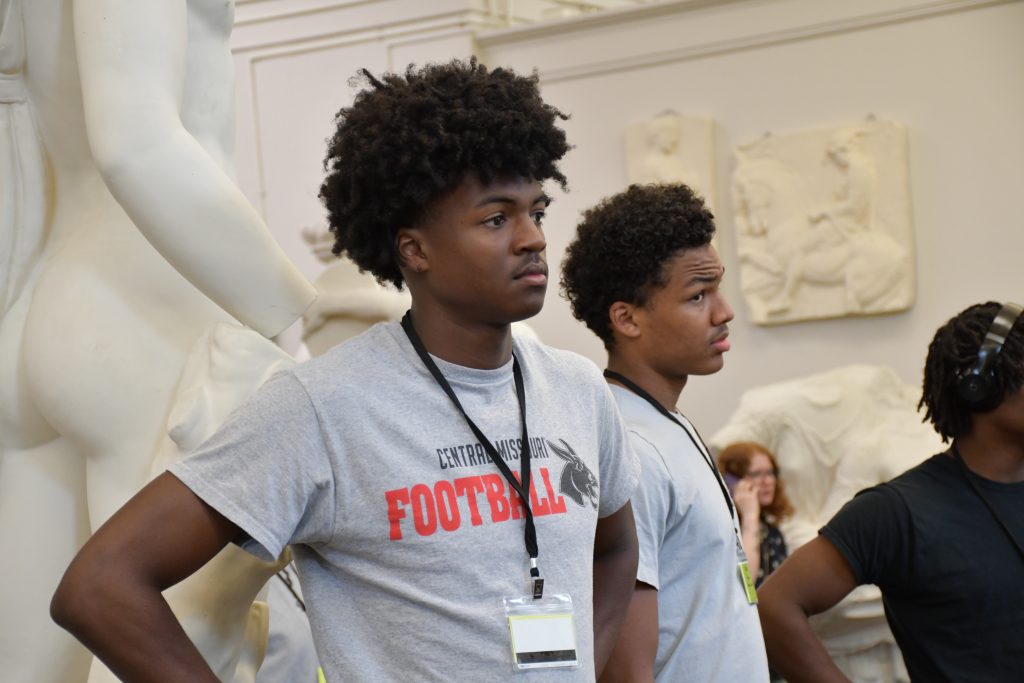
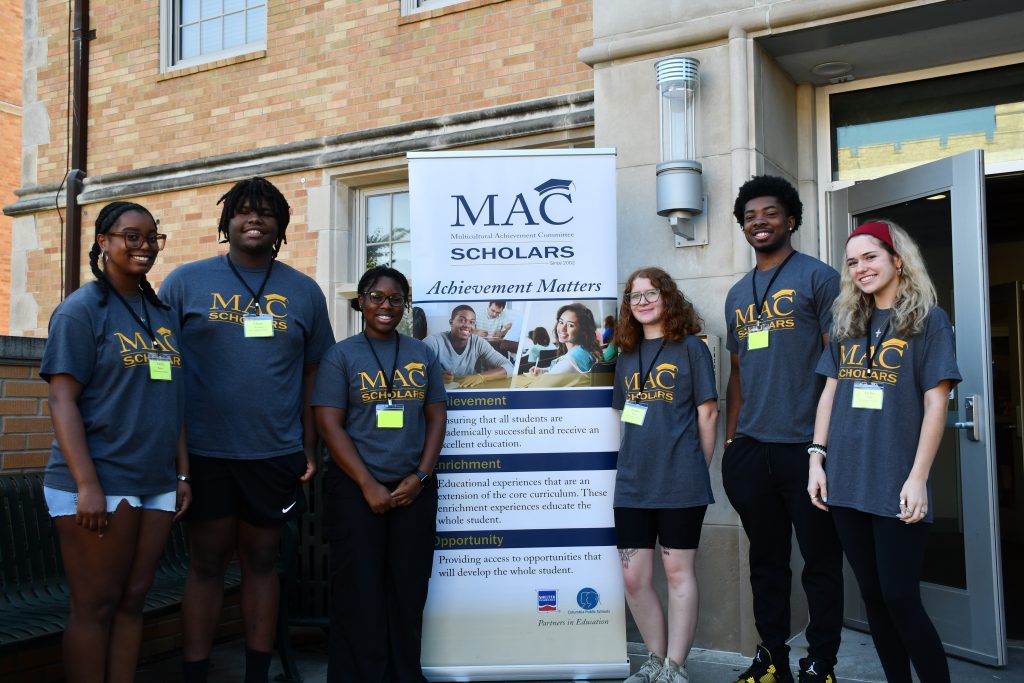
- Summer Enrichment Program: 30 rising sophomores from Columbia Public Schools participated in the 10-day MAC Scholars Summer Academy, where they lived in residence halls and engaged in academic instruction, career exploration, and mentorship. The program aims to help students see themselves as future college students. The Academy incorporated
- 6 faculty or staff-led workshops and experiences
- 2 doctoral student-led courses
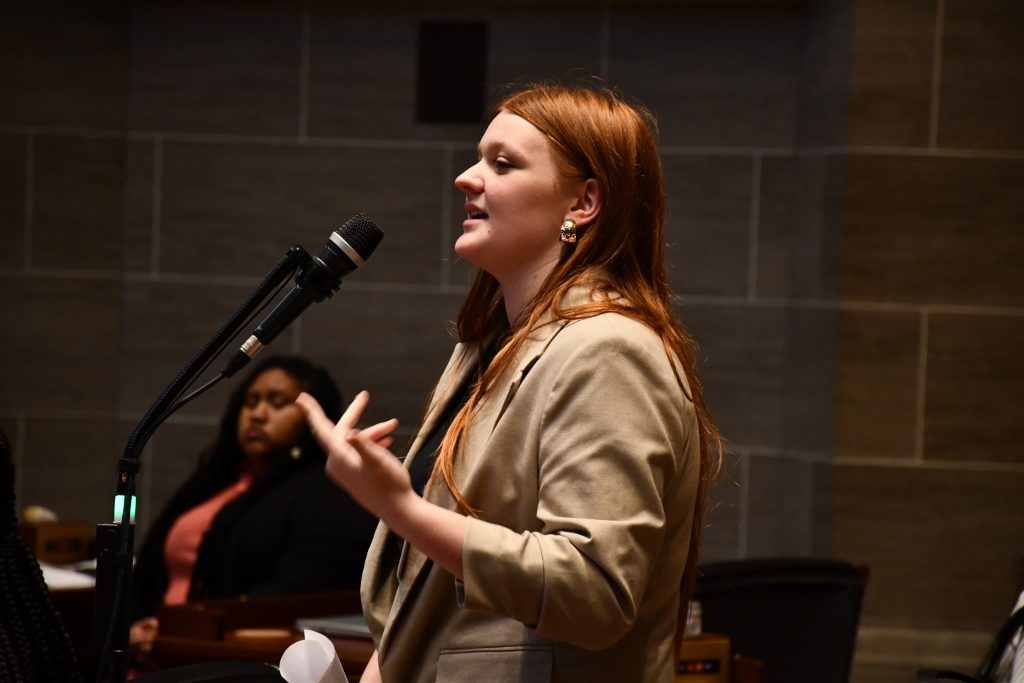
- Leadership and Civic Engagement: 55 students from 27 high schools in the Kansas City, St. Louis, Columbia, and Bootheel areas participated in the Emerging Leaders Conference, a dynamic four-day event organized by AALD in collaboration with the Missouri Legislative Black Caucus. Emphasizing civic engagement and college access, while offering a valuable opportunity for students to advance leadership skills, this conference incorporated
- 4 staff-led workshops and presentations
- 6 workshops and presentations led by community leaders in mid-Missouri
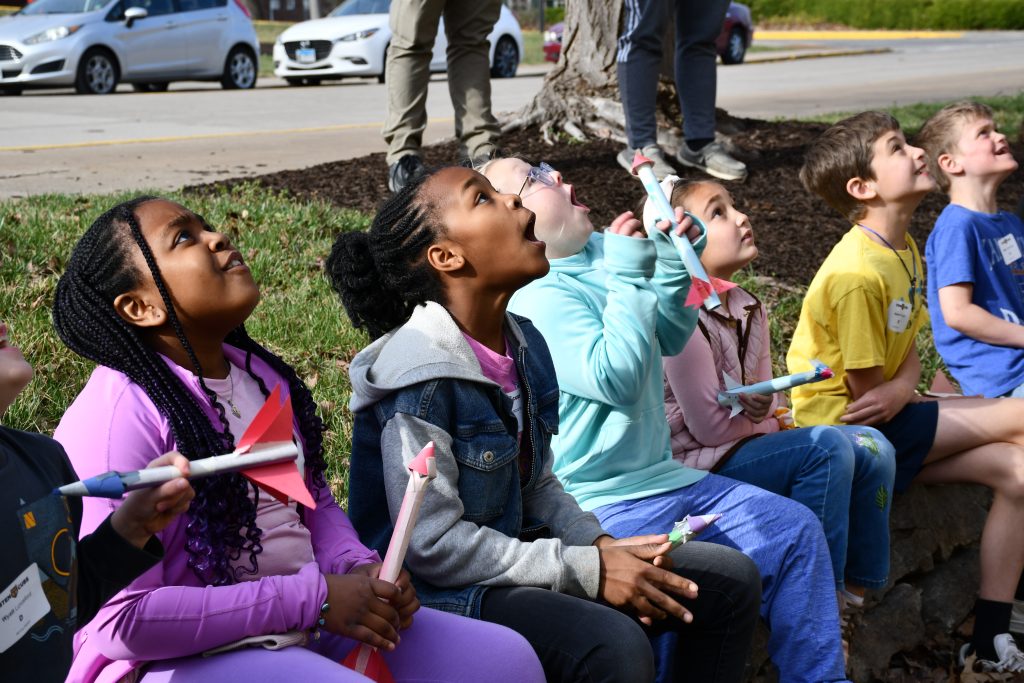
- Early STEM Exploration: More than 600 K-8 students from Columbia and its surrounding areas participate in STEM mini-camps, designed to offer hands-on learning experiences through grade-appropriate lessons. In partnership with the College of Engineering and the College of Education & Human Development, STEM Cubs aims to introduce young learners to the ways STEM shapes our everyday lives.
Undergraduate and Graduate Student Success
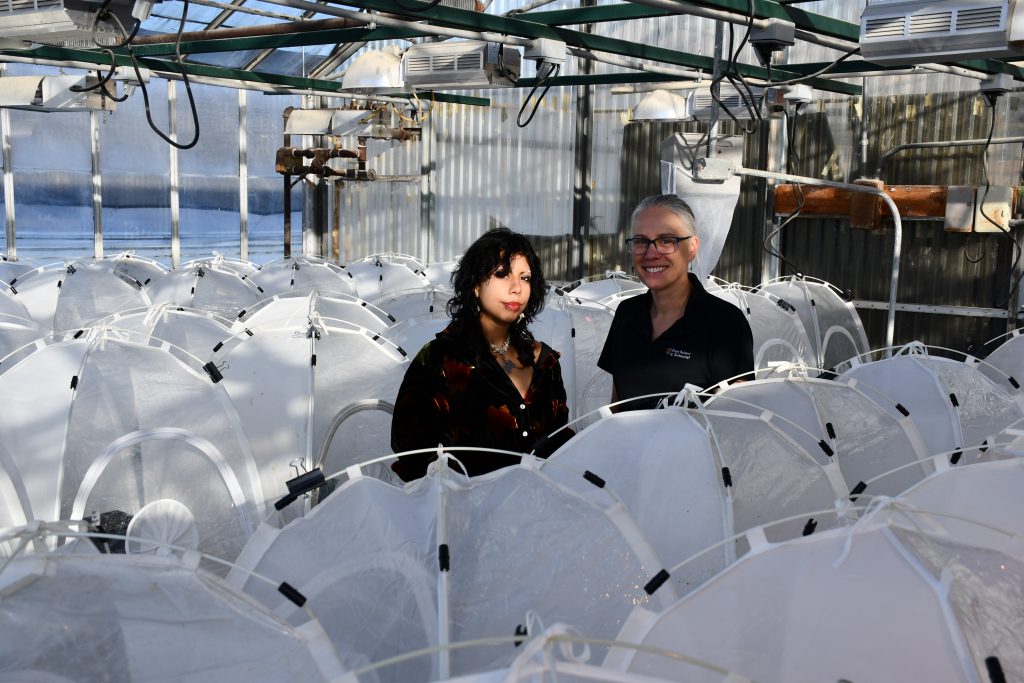
- Research and Discovery: 120 AALD Discover and Discover STEM students participated in our newly implemented cluster research series. Through a micro-lesson model, students actively participate in a three-part faculty-led sequence designed to enrich their exposure to and understanding of the research process.
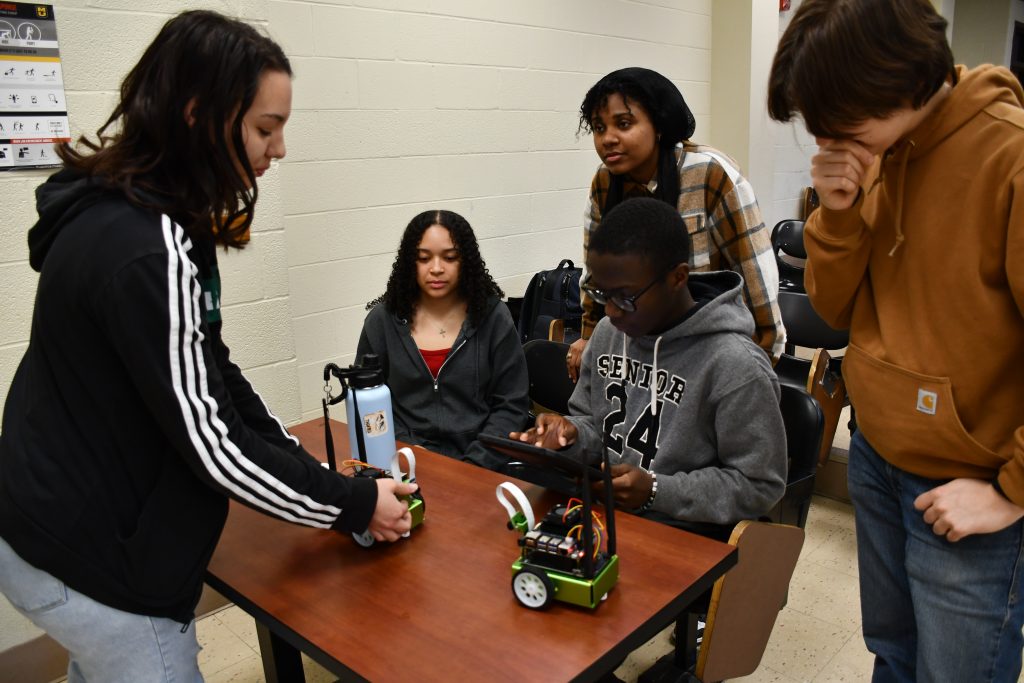
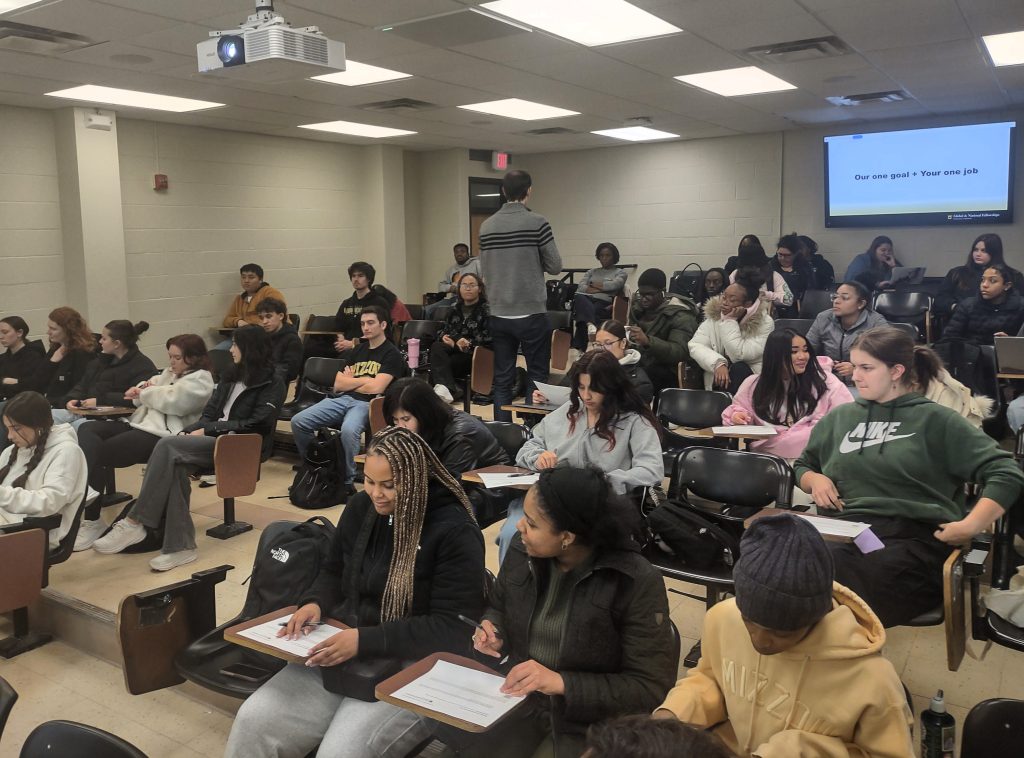
- Career Readiness: 50 AALD students participated in Career Launch, a comprehensive curriculum designed to help students develop skills, utilize techniques, and build networks to identify, apply for, and secure internships and summer research opportunities.
- Undergraduate Research: AALD programs—The McNair Scholars Program and Discover STEM (previously known as MoLSAMP) offered funding, resources, and valuable programming to support 35 undergraduate students in their research pursuits. Through guidance from their faculty mentors, scholars’ professional growth and innovation within their respective fields.
- MU McNair Research Journal: 7 research papers authored by McNair Scholars were selected for inclusion in the 2024-25 MU McNair Journal through a rigorous panel review process. The caliber of research conducted by the McNair Scholars is highly commendable, and this journal serves as a testament to their exceptional work.
- Graduate School Readiness: AALD hosted the Exploring Advanced Degrees in STEM 2-day spring retreat for over 80 students across 7 partner Universities. Through guest speakers, alumni panels, and the delivery of the Gaining Readiness for Advanced Degrees (GRADLab) program, scholars gained information, resources, and tools necessary for applying to and pursuing a graduate degree.
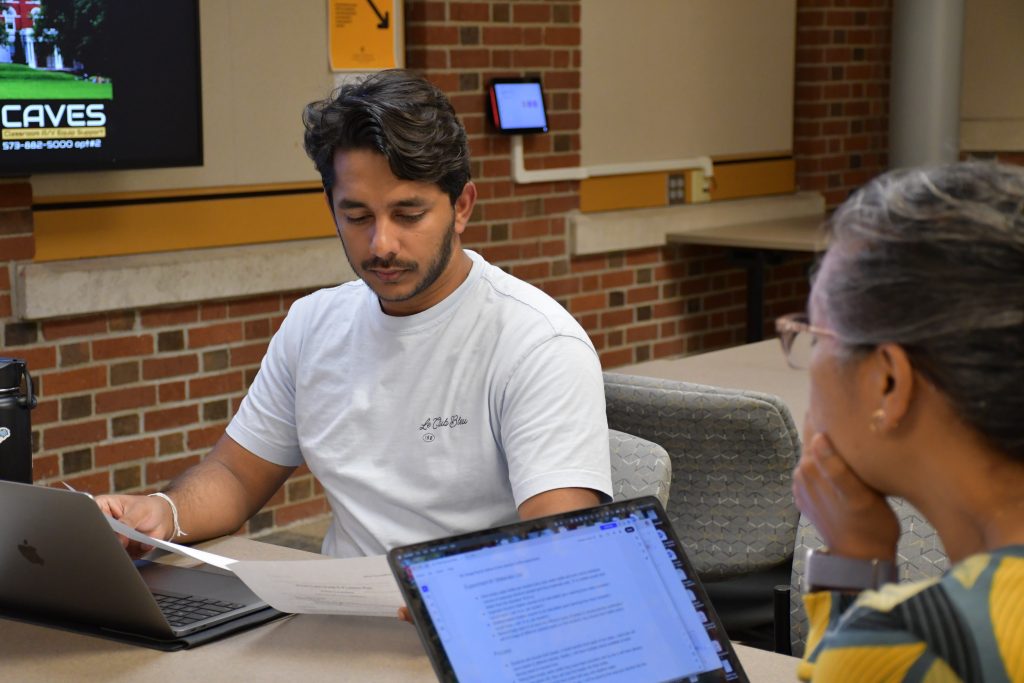
- Student Success Coaching: AALD Student Success Coaching program provided personalized academic, career, and personal support to over 350 students through large group presentations, active workshops, small group sessions. and one-on-one consultations to help students develop essential skills and good habits for success.
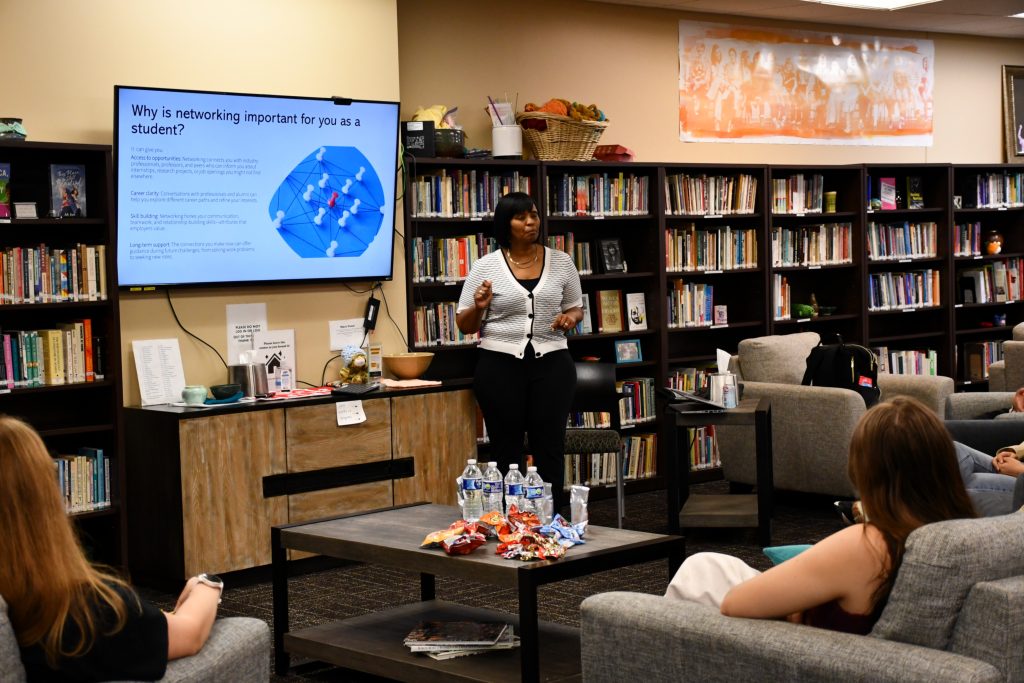
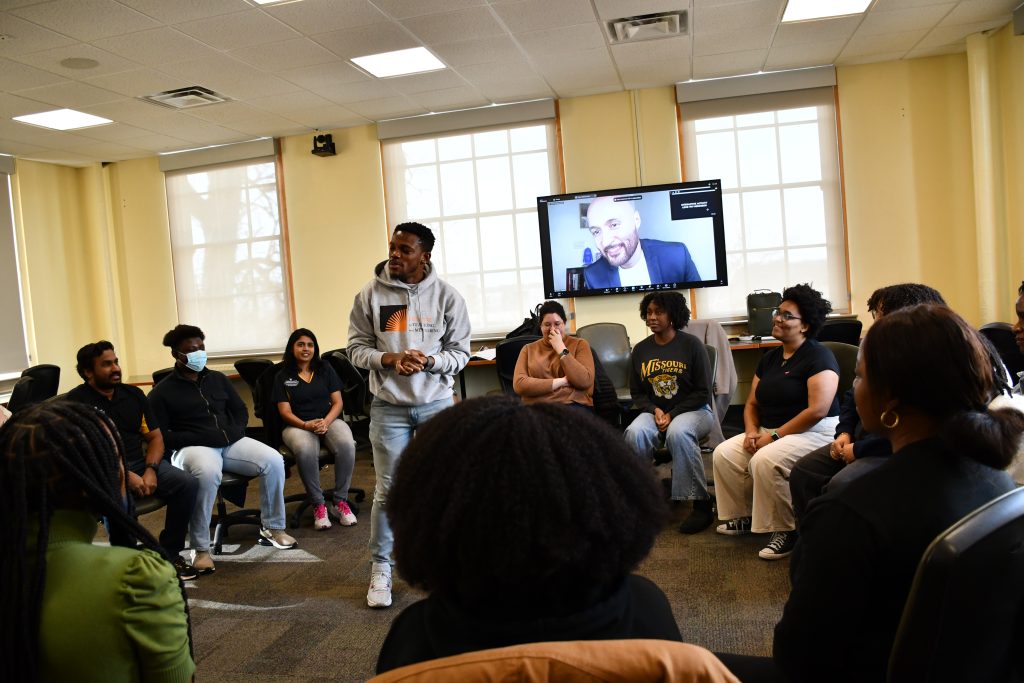
- Graduate Student Support: 25 Graduate Scholars of Excellence participated in a specialized, day-long workshop focused on building connections, mastering storytelling, personal branding, and networking. These activities were designed to support their roles as AALD near-peer mentors and to enhance their own professional and personal growth.
- Micro-credentials (non-credit): AALD Discover and Discover STEM programs, originally one-year initiatives, have extended to a second-year engagement focused on leadership and workforce readiness. They, along with AALD Ambassador Program, have been approved as micro-credentials, allowing students to earn badges that enhance their degrees and career readiness.
Paraprofessional Training and Development
AALD provides experiential learning opportunities for professional skill acquisition and development. AALD staff administer training and oversee development through on-going evaluation and feedback to advance individual progress and outcome attainment.
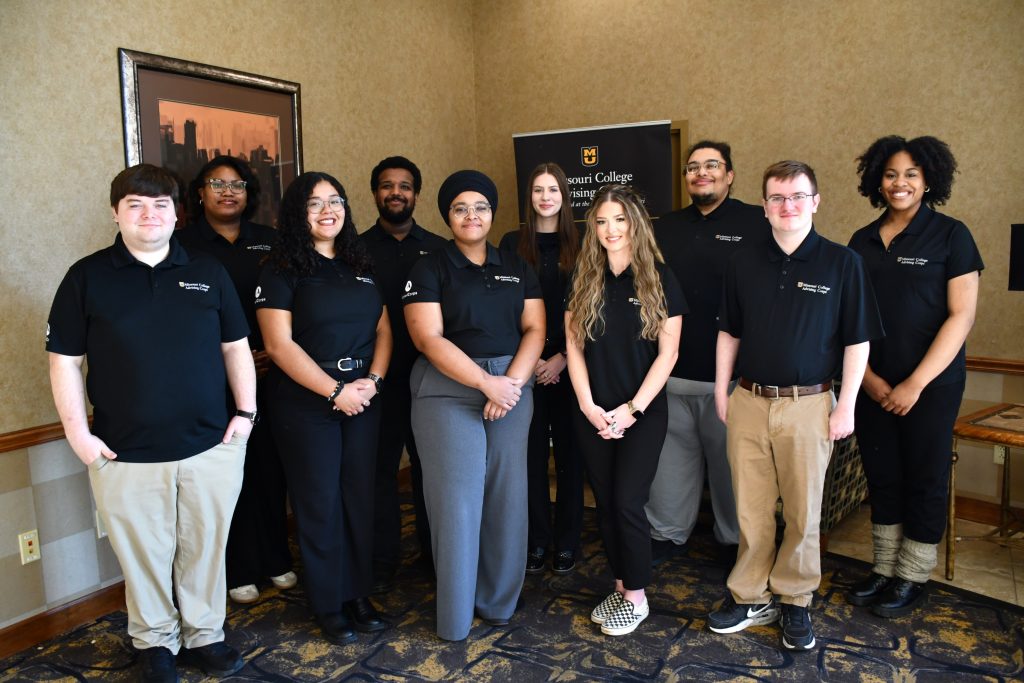
- 28 recent graduates completed an average of 200 hours of training each and serve an average of 1700 hours in their roles as MCAC college advisers.
- One-on-one meetings conducted: 14,881
- Group meetings conducted: 6,393
- Parent meetings conducted: 2,081
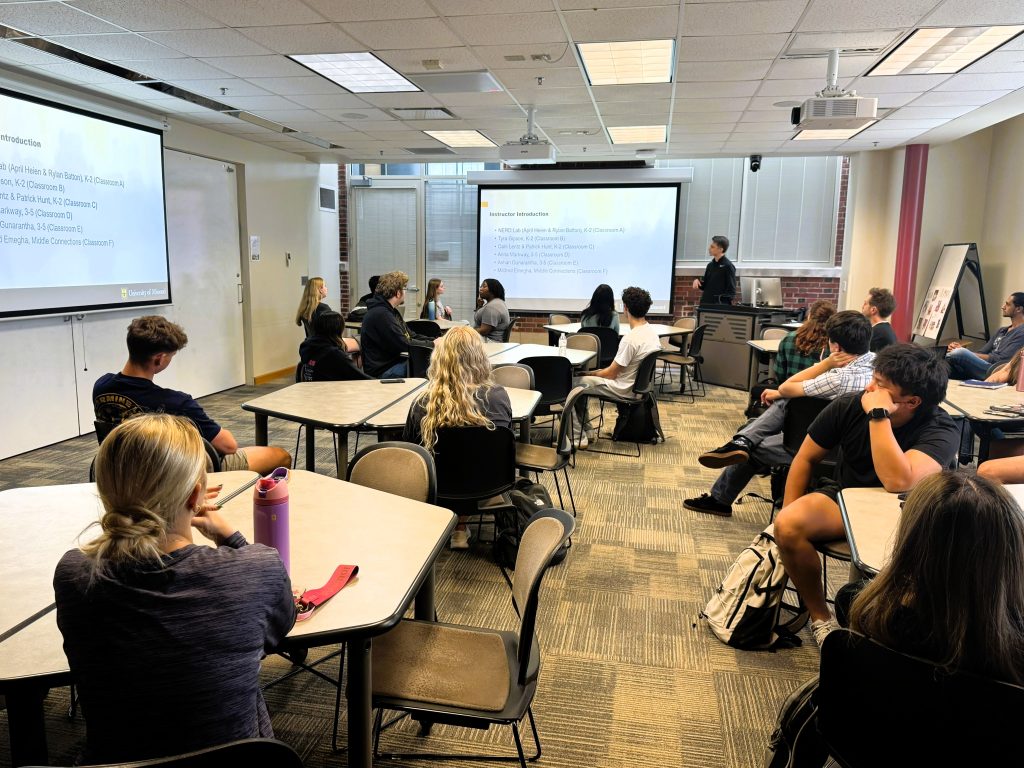
- 78 undergraduate and graduate students complete two in-person trainings, youth safety and lesson-specific STEM engagement, to be eligible to volunteer with STEM Cubs; 15 MU students complete online training through UM System Youth Protection program with additional one-on-one and small group lesson plan consultations to create and deliver age-appropriate learning experiences as STEM Cubs instructors
- 9 undergraduate and graduate students complete a minimum of 32 hours of training for near-peer mentor roles with AALD’s K-12 summer programs and initiatives.